
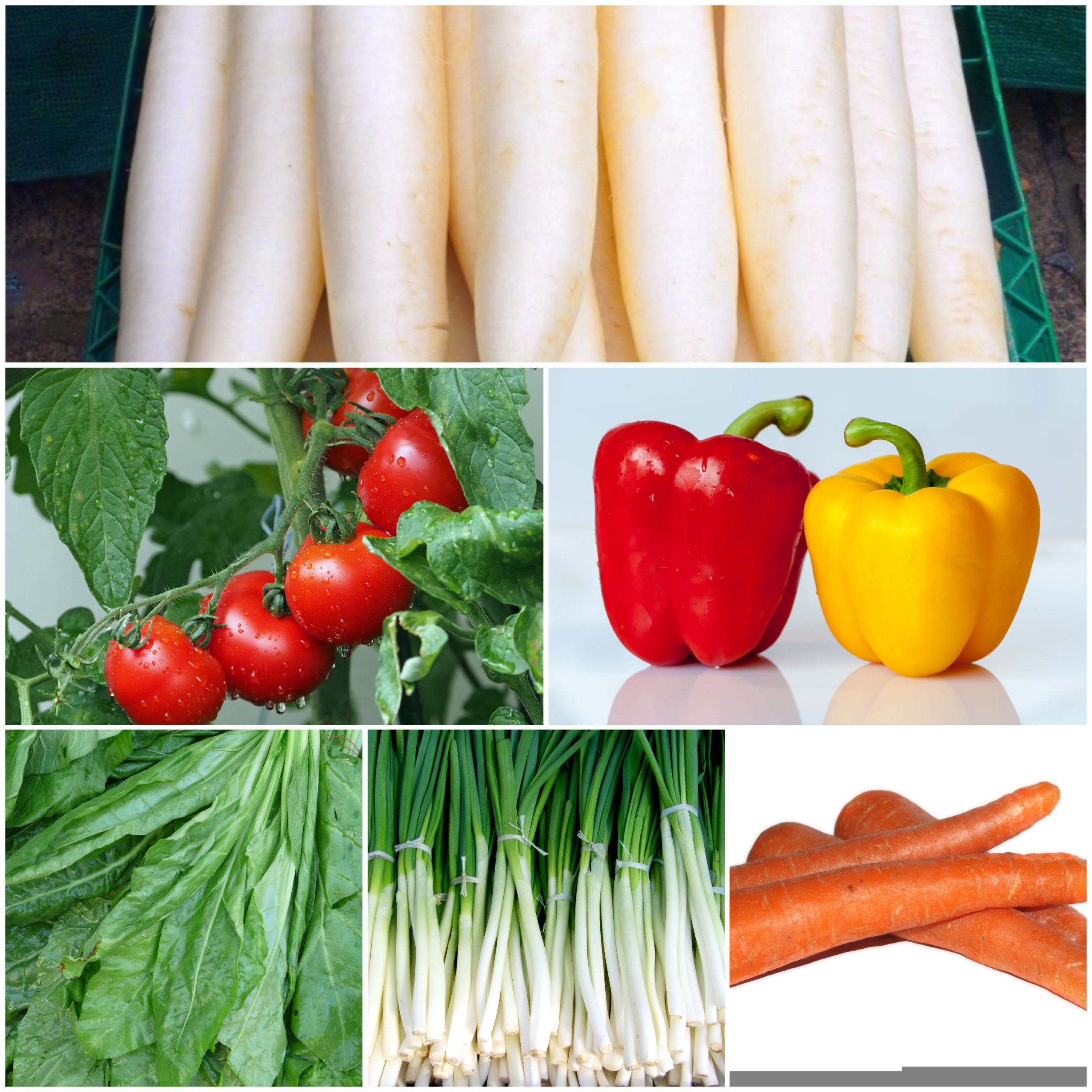
Gardening does not require that you have a large expanse of land that you can use, nor does it limit you. If you are a renter who does not yet have your own permanent apartment, gardening can still be practiced with the right tools, methods, and plants that are suitable for even renters, whether your rented apartment has spacious land for farming or not.
Gardening and growing your own food as a renter can help relieve your stress by saving money and providing fresh foods compared to factory-packed goods, and this renter form of gardening is small space friendly so you will not disturb the peace or invade into the space of your neighbor who is not into gardening.
Renter gardening does not require any gardening or any backyard before you can start producing those fresh vegetables that you will need to consume and, in fact, contribute a massive positive impact on your life.
If you are looking for the right vegetables that can be planted indoors, then you are in the right place, as a simple list of vegetables that can be grown indoors and are best suited for renters of any kind of apartment will be listed here for more clarification, and the best part is you can easily grow these vegetables as a beginner.
Why Apartment Gardening Is Perfect for Renters
I. No Yard Needed
You don’t need a yard for apartment gardening, and that is why it is best suited for renters who do not have access to a yard for gardening.
II. Saves Money on Groceries
Vegetables are consumed on a massive scale as part of our components in making our food edible and nutritious, and that is why this takes a significant part of our income; growing your own vegetables will help you save a lot of money.
III. Works in Small Spaces
Apartment gardening can work in small spaces no matter the size of your apartment. Balconies, windowsills, and corners can be used.
IV. Easy to Move When You Relocate
A superior advantage apartment gardening has is the ability and convenience to move your plants with you when you relocate.
What You Need to Start Growing Vegetables in an Apartment
I. Containers or Pots
- Buckets
- Plastic containers
- Grow bags
II. Good Soil
Use nutrient-rich potting mix. Make use of only loamy soil and be sure you don’t use a coarse type of loamy soil, as this can hinder your plant from growing properly.
Extract soil from a forest if you are permitted, or you can make sure of your neighbor’s soil if you find it okay for planting.
III. Sunlight or Grow Lights
Most vegetables need 4–8 hours of sunlight. When sunlight is necessary, don’t expose your vegetables to too much sunlight, as this can kill the plants easily, especially when the vegetables are just growing up and have not grown deep roots.
IV. Watering Can or Spray Bottle
10 Vegetables You Can Grow in Your Apartment as a Renter
I. Lettuce
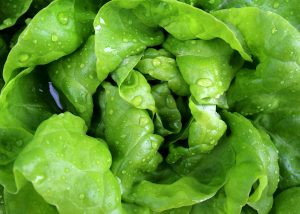
Lettuce is a popular nutrient-dense leafy annual vegetable that is commonly used in salads and wraps, and it is rich in fiber, iron, and vitamins. The production of lettuce across the world is dominated by China, which produces 53% of the annual production that is consumed globally.
Lettuce is best for apartment gardening, as it grows very fast and does not need deep soil.
How to grow:
- Use shallow containers
- Keep soil moist
- Place near a window to absorb sunlight
- Spacing of inches
Harvest time:
30-70 days
II. Spinach
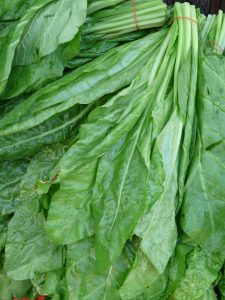
Spinach is a highly nutritious leafy vegetable that is rich in vitamins, iron, and antioxidants. It can be consumed in salad or can be added to sandwiches, omelets, smoothies, and stir-fries; some other parts of the world most consume it as a vegetable soup.
Spinach grows from seed and can grow well indoors.
How to grow:
- Use a medium-sized pot
- Water regularly
- Provide partial sunlight
- Plant in well-limed soil
- Sow seeds directly 1-2 cm deep, spaced 10-20 cm apart
- Spaced 30cm apart from each other
Harvest time:
4–6 weeks
III. Green Onions
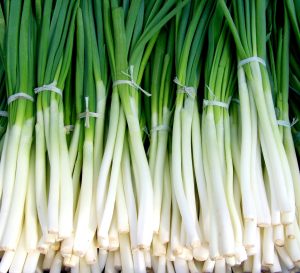
Green onions are one of the easiest vegetables that can be grown in an apartment with no stress. Also known as scallions, green onions are edible vegetables, having a milder taste than most onions, and can be eaten raw or cooked.
Green onions can be grown from seed or from the leftovers of the green onion instead of throwing them away or composting them. Green onions can grow in any kind of weather conditions as far as temperature is not freezing; it can grow properly.
How to grow:
● Place roots in water or soil.
● Keep near sunlight
Harvest Time:
2–3 weeks
IV. Tomatoes
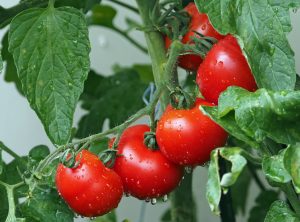
One of the main vegetables is the tomato, and it is widely used across the globe, across countries, societies, and cultures. There is virtually no country that does not make use of tomatoes, either for making soup or preparing other food delicacies.
Tomatoes are one of the easiest vegetables that can be planted and that do not require much stress while yielding higher output compared to peppers, and the best part is they can grow well indoors if they just have access to sunlight. Proper soil is also needed to yield the maximum output. You will be shocked at the output it will yield, and you will want to plant more.
How to grow:
- Use a large pot
- Provide strong sunlight
- Support with stakes
Harvest time:
60–80 days
V. Peppers
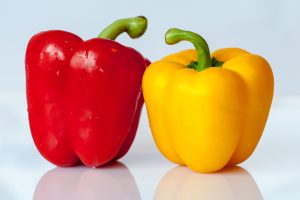
Pepper is a flowering plant with over 30 species across the world, ranging from ball bell pepper, ghost peppers, chili peppers, and a lot more. Pepper can be used for vegetables, relishes, spices, or ornaments.
Peppers are perennial plants, which means that the plant, when planted, can produce many years if properly taken care of for many years before it withers off, compared to tomatoes, which do not have a long lifespan when planted.
Pepper can be planted by planting the seed in soil mostly planted in a loamy form of sand, as this hastens the growth of the plants compared to other forms of soil.
How to grow:
- Use a medium container
- Provide a warm temperature
- Water consistently
Harvest time:
70–90 days
VI. Radish
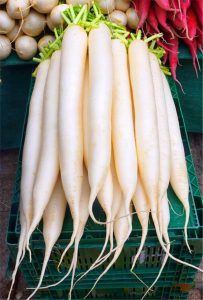
Radish is a flowering plant in the mustard family. Its large taproot is commonly used as a root vegetable, although the entire part of the plant is edible and can be consumed.
Radishes can be consumed in salads, and they are one of the few vegetables that can be grown with other vegetables, and that is why they are termed “companion plants”; they are easy to plant, and they suffer from few pests and diseases.
The best part about radishes is that they can be easily planted by beginners and are most often planted in children’s gardens; they germinate quickly and can be available for consumption within a period of 4 weeks.
Why it’s great:
Very fast-growing vegetable and easy to grow
How to grow:
- Use a shallow container.
- Keep soil moist
Harvest time:
3–4 weeks
VII. Carrots
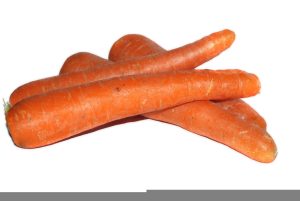
Carrots are a root vegetable that is typically orange in color, but other varieties of the vegetable color include purple, black,red, white, and yellow.
Carrots are cultivated mainly because of their root and leaves and can be consumed raw, that is, the root, while both the root and leaves can be used in preparing delicacies. They are a good source of beta-carotene and have a high amount of fiber.
Carrots, unlike other vegetables listed, need a container with deep soil if they are to be planted in a container, and that is why you make sure that the container is shallow in order to accommodate the root of the carrot.
Why it’s great:
Can grow in containers with deep soil.
How to grow:
- Use a deep pot
- Keep soil loose
Harvest time:
60–75 days
VIII. Cucumber
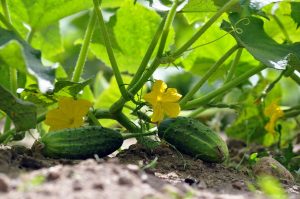
Cucumber is a widely cultivated creeping vine plant that bears cylindrical to spherical fruits and is most used as a culinary vegetable.
Though the nutritional value of cucumber is low, its delicate flavor is what makes it popular for making salad and relishes.
When Cucumber can be grown in an apartment, one advantagecucumber of planting it is that it is a climbing plant and thus might require little space compared to other vegetables.
Why it’s great:
Climbing plant that saves space.
How to grow:
- Use a trellis or support
- Provide sunlight
Harvest time:
50–70 days
IX. Kale
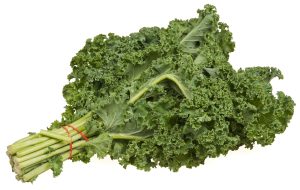
Kale, also known as leaf cabbage, belongs to the family of cabbage that is cultivated primarily for its edible leaves and sometimes can be grown for the purpose of using it for ornament.
Kale can be eaten raw or cooked and still produce the right nutrients regardless of the form in which it is prepared before being eaten. Kale is good for constipation and can help your heart be healthy.
Why it’s great:
Very nutritious and cold-tolerant.
How to grow:
- Use a medium container
- Harvest leaves regularly
Harvest time:
5–7 weeks
X. Herbs
Pharmaceutical drugs are found to be unreliable these days, and this has made some sicknesses persist for long even after using the drugs, but nature has given a redemption, and that is herbs.
You can plant herbs alongside your other vegetables; these form a strong means of getting medicine while keeping your body healthy through the healthy consumption of these herbs. Examples of herbs are basil, mint, and parsley.
Note: If you are using drugs, make sure you notify your doctor before you start consuming herbs. This can have devastating effects on your body if used with some drugs.
Why it’s great:
Small, fast-growing, and perfect for kitchens.
Common Mistakes Apartment Gardeners Should Avoid
- Overwatering plants
- Using poor soil
- Not providing enough sunlight
- Using containers without drainage
- Planting too many vegetables at once
Tips for Growing Vegetables Successfully in an Apartment
- Use containers with drainage holes
- Rotate plants for sunlight
- Avoid overwatering
- Use quality soil
- Start with easy vegetables.
Frequently Asked Questions (FAQs) About Growing Vegetables in an Apartment as a Renter
What vegetables grow best in an apartment?
The best vegetables to grow in an apartment include lettuce, spinach, green onions, cherry tomatoes, peppers, carrots, radishes, herbs, microgreens, and cucumbers. These vegetables thrive in containers and require limited space, making them perfect for renters living in small apartments or condos.
Can I grow vegetables in an apartment without a balcony?
Yes, you can grow vegetables indoors without a balcony. Many vegetables grow well on windowsills, countertops, or under grow lights. Leafy greens, herbs, and microgreens are especially suitable for indoor apartment gardening.
How much sunlight do apartment vegetables need?
Most vegetables need 6 to 8 hours of sunlight daily. If your apartment has limited sunlight, you can use LED grow lights to supplement natural light and ensure healthy plant growth.
What containers are best for growing vegetables in an apartment?
Containers with drainage holes are best for growing vegetables indoors. Popular options include plastic pots, fabric grow bags, recycled buckets, and window boxes. The container size should match the vegetable’s root depth.
Is it allowed to grow vegetables in a rented apartment?
In most cases, renters are allowed to grow vegetables indoors as long as they do not damage property or violate lease agreements. Always check your rental rules regarding balcony use, water drainage, and structural modifications.
What vegetables grow fastest in an apartment?
Fast-growing vegetables for apartments include radishes, lettuce, spinach, green onions, and microgreens. Some of these crops can be harvested in as little as 7 to 30 days, making them ideal for beginners.
Do apartment vegetables need special soil?
Yes, vegetables grown in containers require high-quality potting mix rather than regular garden soil. Potting mix provides better drainage, aeration, and nutrients, which are essential for healthy indoor plants.
How often should I water vegetables in an apartment?
Most apartment vegetables should be watered when the top 1 inch of soil feels dry. Overwatering is one of the most common mistakes in indoor gardening, so ensure containers have proper drainage.
Can beginners grow vegetables successfully in an apartment?
Yes, beginners can easily grow vegetables in an apartment. Starting with simple crops like lettuce, herbs, and green onions helps build confidence and gardening skills without requiring much space or experience.
What are the cheapest vegetables to grow in an apartment?
The cheapest vegetables to grow in an apartment include green onions, lettuce, spinach, herbs, and radishes. These plants require minimal supplies, grow quickly, and can be harvested multiple times.
Conclusion
Anyone can grow vegetables in an apartment even without little or no experience. Start small by planting one (1) vegetable or three (3) at maximum at a time; planting too many vegetables at a time with no experience can kill all the plants because you don’t have the experience to work with large numbers of vegetables planted.
Choose easy crops like radish, green onion, pepper, and tomatoes at first. These vegetables are so easy to grow that you won’t even need to watch videos to start planting them or harvest them. You can own a garden even as a renter.

I’m a passionate urban gardening enthusiast and content creator dedicated to helping people grow fresh, sustainable food in small spaces. Through my website,UrbanHarvestHub.com, I share practical tips, product recommendations, and creative ideas for indoor gardening, vertical farms, and long-term food storage.